Unlock Your Future: Strategic Career Development Planning for Professionals
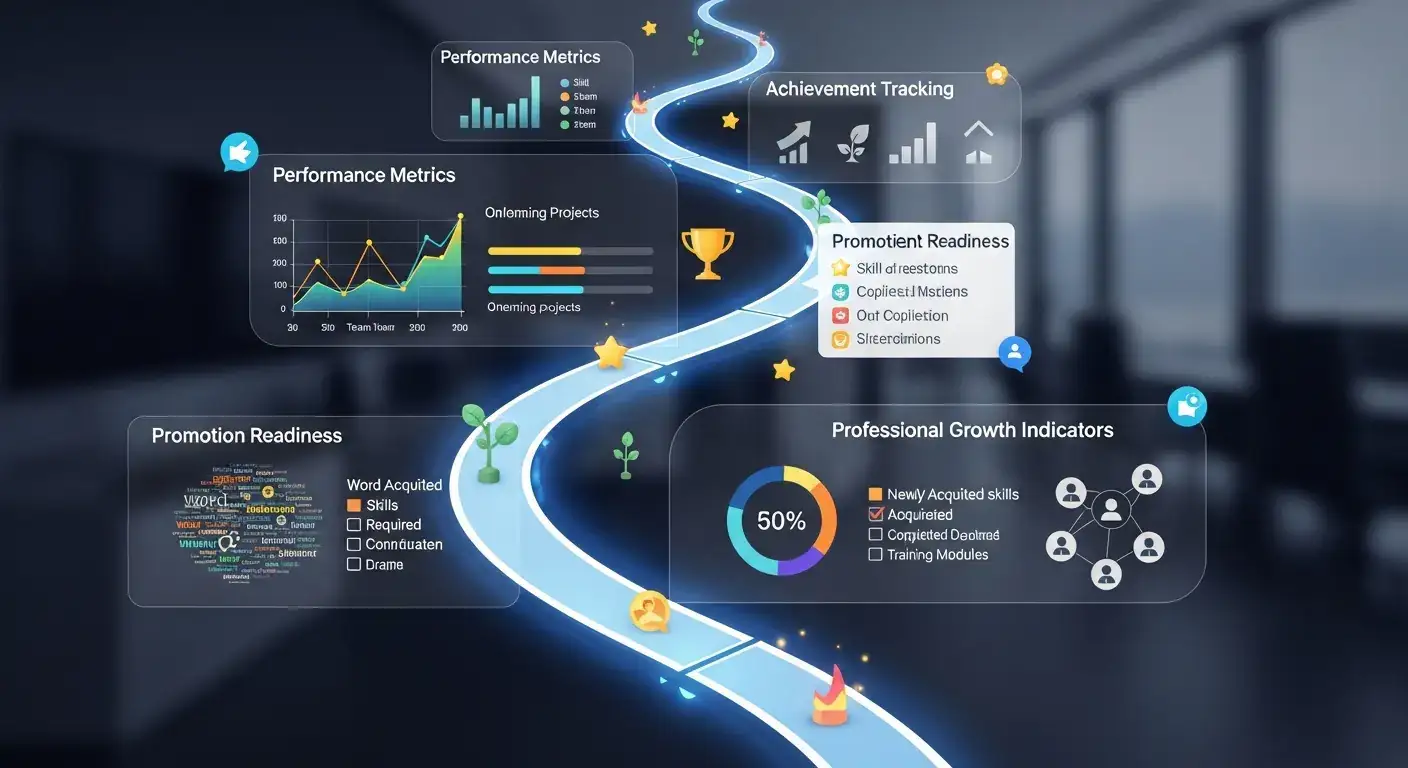
Unlock Your Future: Strategic Career Development Planning for Professionals
In today's dynamic professional landscape, standing still is akin to moving backward. To truly unlock your future, a proactive and strategic career development planning approach is not just beneficial; it's essential. This involves a thoughtful process of self-assessment, goal setting, and action planning designed to propel your career forward in alignment with your aspirations and the evolving demands of your industry. Without a roadmap, even the most talented individuals can find themselves adrift, missing opportunities and failing to reach their full potential. This guide will walk you through the key steps to build a robust career development plan.
Key Points:
- Self-Assessment: Understand your strengths, weaknesses, values, and interests.
- Goal Setting: Define clear, actionable short-term and long-term career objectives.
- Skill Development: Identify and acquire the necessary skills and knowledge.
- Networking: Build and leverage professional relationships.
- Adaptability: Stay abreast of industry trends and embrace continuous learning.
The Foundation of Strategic Career Development Planning
At its core, strategic career development planning is about taking intentional control of your professional journey. It's a commitment to continuous growth, adaptation, and progress. This isn't about blindly following a prescribed path but about architecting one that resonates with your personal and professional ambitions. By dedicating time to this process, you can move from simply reacting to your career to actively shaping it, ensuring that each step taken is a deliberate move towards your desired future.
Understanding Your Current Position: The Crucial Self-Assessment
Before you can chart a course, you need to know where you are starting from. A thorough self-assessment is the bedrock of any effective career development plan. This involves honest introspection into your skills, knowledge, values, interests, and personality traits.
- Strengths and Weaknesses: What do you excel at? Where do you need improvement? Tools like SWOT analysis (Strengths, Weaknesses, Opportunities, Threats) can be highly beneficial here.
- Values and Motivations: What truly drives you? Is it recognition, autonomy, impact, work-life balance, or financial security? Understanding your core values helps ensure your career path is fulfilling.
- Interests and Passions: What kind of work genuinely excites you? Aligning your career with your interests can lead to greater job satisfaction and longevity.
- Personality Traits: Are you an introvert or an extrovert? Do you prefer collaborative or independent work? Knowing your personality can help you find the right work environment.
A recent study by the Harvard Business Review (2024) highlighted that professionals who regularly engage in self-reflection are 30% more likely to report higher job satisfaction and career advancement.
Setting Your Compass: Defining Clear Career Goals
Once you have a clear understanding of yourself, the next step is to define what you want to achieve. Effective goal setting is SMART: Specific, Measurable, Achievable, Relevant, and Time-bound. This framework prevents vague aspirations from remaining just that – vague.
- Short-Term Goals (1-3 years): These are often stepping stones, focusing on acquiring specific skills, completing projects, or achieving a particular role or certification. For instance, "Become proficient in Python for data analysis within 18 months."
- Mid-Term Goals (3-7 years): These might involve a promotion, managing a team, transitioning to a new department, or developing expertise in a specialized area. An example could be "Lead a cross-functional project team by the end of year 5."
- Long-Term Goals (7+ years): These are your ultimate career aspirations, such as reaching a senior leadership position, starting your own business, or becoming a recognized expert in your field. "Become a Chief Technology Officer in a rapidly growing tech company" exemplifies a long-term vision.
When setting goals, consider how they align with broader industry trends. For example, if your industry is rapidly digitizing, a goal related to data analytics or AI proficiency would be highly relevant.
Building Your Career Development Roadmap
With your self-assessment complete and your goals defined, it's time to create a concrete plan to bridge the gap between where you are and where you want to be.
Identifying and Acquiring Essential Skills
Strategic career development planning necessitates a focus on skill acquisition. This involves identifying the competencies required to achieve your goals and then strategizing how to develop them.
- Technical Skills: These are job-specific abilities, such as coding languages, software proficiency, data analysis tools, or machinery operation.
- Soft Skills: These are transferable skills that are crucial for success in any role, including communication, leadership, problem-solving, teamwork, critical thinking, and emotional intelligence.
- Industry-Specific Knowledge: Staying updated on the latest research, best practices, and emerging trends within your field is vital.
Methods for Skill Development:
- Formal Education: Degrees, diplomas, and certifications.
- Workshops and Seminars: Targeted training for specific skills.
- Online Courses: Platforms like Coursera, edX, and LinkedIn Learning offer a vast array of courses.
- On-the-Job Training and Mentorship: Learning from experienced colleagues and supervisors.
- Personal Projects: Applying learned skills to real-world challenges.
For instance, if your goal is to move into project management, you might identify the need for PMP certification and Agile methodologies training. Your plan would then detail how you will acquire these through online courses and practical application on current projects.
The Power of Networking and Mentorship
Your professional network is an invaluable asset. Building and nurturing relationships can open doors to new opportunities, provide insights, and offer support.
- Attend Industry Events: Conferences, webinars, and local meetups are great places to connect with peers and leaders.
- Leverage Online Platforms: LinkedIn is essential for professional networking. Engage in discussions, share insights, and connect with individuals in your field.
- Informational Interviews: Reach out to professionals in roles you aspire to and ask about their career paths and advice.
- Seek Mentors: A mentor can offer guidance, share experiences, and provide a critical perspective on your career development. Look for individuals who have achieved what you aspire to.
A 2023 report by LinkedIn found that 70% of professionals found their current job through networking. This underscores the critical importance of building genuine connections.
Embracing Continuous Learning and Adaptability
The professional world is in constant flux. New technologies emerge, market demands shift, and industries evolve. Strategic career development planning must incorporate a commitment to lifelong learning and adaptability.
- Stay Informed: Regularly read industry publications, follow thought leaders, and subscribe to relevant newsletters.
- Be Open to Change: View changes not as threats but as opportunities to learn and grow.
- Develop Resilience: The ability to bounce back from setbacks and learn from failures is a hallmark of successful professionals.
- Embrace New Technologies: Proactively learn about and experiment with emerging tools and platforms relevant to your field.
Differentiated Value: Future-Proofing Your Skills with AI and Automation Literacy
In the current landscape, a key differentiator for professionals is understanding and leveraging Artificial Intelligence (AI) and automation. Beyond technical roles, professionals in marketing, HR, and finance are increasingly expected to comprehend how these technologies impact their industries and workflows. This includes:
- Understanding AI applications: How AI is used for data analysis, customer service, content creation, and predictive modeling.
- Automation awareness: Identifying tasks that can be automated and exploring tools that facilitate this.
- Ethical considerations: Grasping the ethical implications of AI and automation in the workplace.
This literacy allows you to not only adapt to changes driven by these technologies but also to identify opportunities where you can leverage them to enhance your own productivity and that of your team. For instance, a marketing professional might learn to use AI-powered tools for content optimization or sentiment analysis, thereby differentiating their skillset.
Putting Your Plan into Action and Review
A plan is only as good as its execution. Regularly reviewing and adjusting your strategic career development planning is crucial for sustained progress.
Action Planning and Execution
Break down your goals into actionable steps. For each step, define:
- What needs to be done?
- By when?
- What resources are required?
- How will success be measured?
For example, if a short-term goal is to improve public speaking skills, the action plan might include:
- Enroll in a public speaking workshop (by next month).
- Practice presentations for team meetings weekly (ongoing).
- Join a Toastmasters club (by end of next quarter).
- Volunteer to present at a departmental meeting (within six months).
Regular Review and Adjustment
Your career development plan is not a static document. Schedule regular check-ins (e.g., quarterly or semi-annually) to:
- Assess Progress: Are you on track with your goals and action steps?
- Evaluate Effectiveness: Are your chosen methods for skill development working?
- Adapt to Changes: Have new opportunities or challenges emerged? Has your personal situation changed?
- Refine Goals: Are your goals still relevant and inspiring?
This iterative process ensures your plan remains dynamic and aligned with your evolving career aspirations and the external environment.
Frequently Asked Questions about Strategic Career Development Planning
Q1: What is the most important first step in strategic career development planning? The most crucial first step is a comprehensive self-assessment. Understanding your strengths, weaknesses, values, and interests provides the essential foundation for setting realistic goals and developing an effective roadmap. Without this self-awareness, your plan might not align with your true aspirations or capabilities.
Q2: How often should I review and update my career development plan? It is recommended to review your plan at least every six months. However, significant career shifts, industry changes, or personal developments may warrant more frequent updates. The key is to remain proactive and ensure your plan stays relevant.
Q3: I'm unsure about my long-term career goals. What should I do? If long-term goals are unclear, focus on short-to-mid-term objectives that align with your current interests and strengths. Explore different roles and industries through networking and informational interviews. Sometimes, clarity emerges through experience and action rather than pure deliberation.
Q4: How can I ensure my career development plan is realistic? Realism comes from thorough self-assessment and research. Understand your current capabilities and the actual requirements of your desired roles. Consult with mentors, industry professionals, and career coaches to validate your goals and the steps you plan to take.
Conclusion: Your Future is in Your Hands
Strategic career development planning is a powerful tool for professionals seeking to navigate their careers with purpose and achieve lasting success. By committing to self-reflection, setting clear goals, actively acquiring skills, building your network, and embracing continuous learning, you are not just planning for a job; you are building a fulfilling and impactful future. Remember, your career is a journey, and with a well-crafted plan, you can confidently steer towards your desired destination.
What are your biggest challenges in career development planning? Share your thoughts and strategies in the comments below!
To further enhance your career journey, consider exploring articles on setting effective professional goals and strategies for continuous skill enhancement. If you found this guide helpful, please subscribe to our newsletter for more insights on career advancement and professional growth.