Setting SMART Career Goals for Sustainable Professional Fulfillment
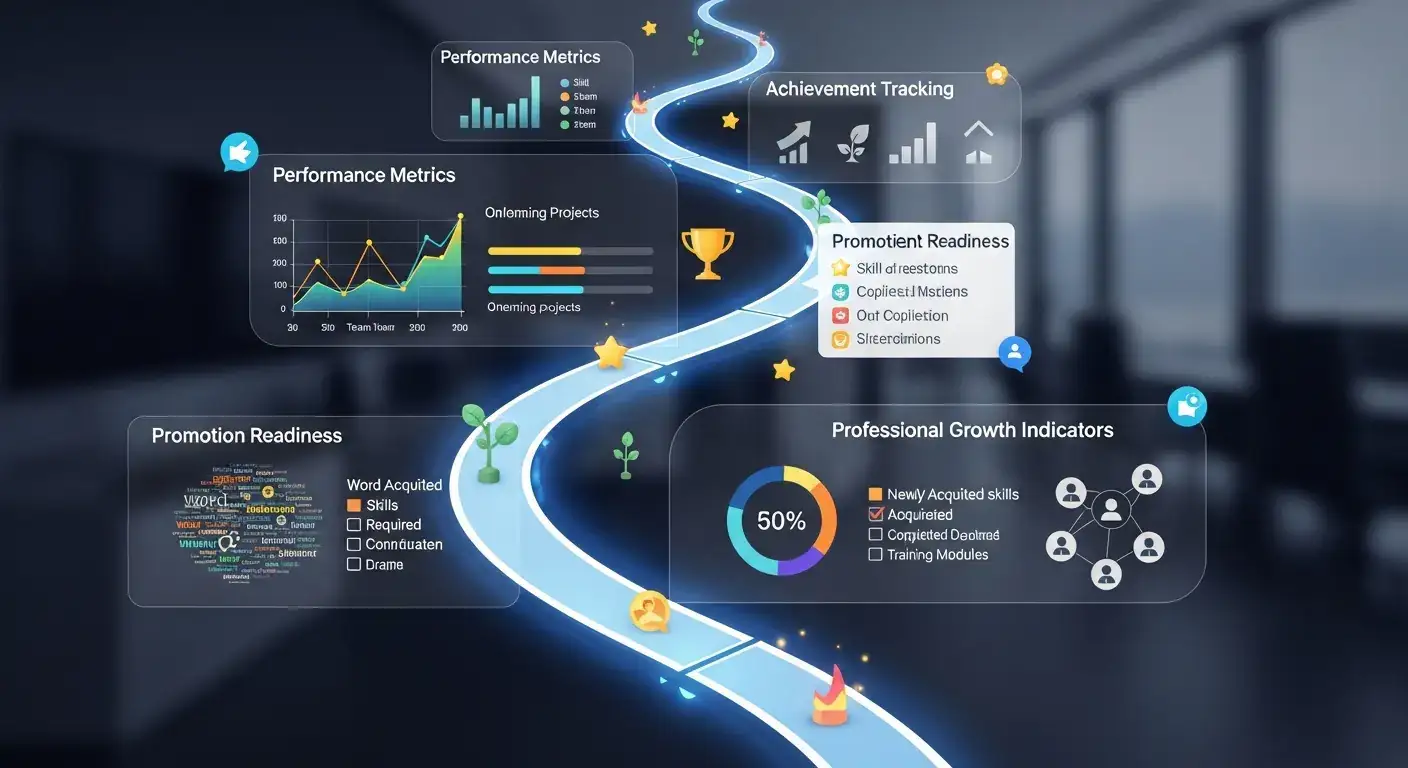
Unlock Your Career Potential: Setting SMART Goals for Lasting Professional Fulfillment
In today's dynamic professional landscape, simply drifting through your career is a recipe for stagnation. To truly thrive and achieve sustainable professional fulfillment, you need a compass and a map. This is where setting SMART career goals becomes not just beneficial, but essential. By applying the SMART framework – Specific, Measurable, Achievable, Relevant, and Time-bound – you transform vague aspirations into actionable plans. This structured approach provides clarity, drives motivation, and ensures your professional journey is one of continuous growth and satisfaction. Let's explore how to harness this powerful methodology for your own career advancement.
Key Points:
- Clarity and Focus: SMART goals provide a clear direction for your professional development.
- Motivation and Accountability: They offer tangible milestones, fostering sustained drive.
- Effective Resource Allocation: Helps prioritize efforts and resources for maximum impact.
- Performance Tracking: Enables you to monitor progress and make necessary adjustments.
- Long-Term Satisfaction: Aligns your daily actions with your ultimate career aspirations.
The Power of SMART: Defining Your Career Trajectory
The foundation of any successful career is a clear understanding of where you want to go and how you intend to get there. Vague desires like "get a promotion" or "learn new skills" lack the specificity to guide your actions effectively. This is where the SMART framework offers a robust solution for setting SMART career goals. By breaking down broad ambitions into manageable, concrete objectives, you create a roadmap for sustainable professional fulfillment.
Specific: What Exactly Do You Want to Achieve?
The first step in setting a SMART goal is to make it Specific. Instead of aiming to "improve leadership skills," a specific goal might be: "Lead a cross-functional team project for the new product launch, successfully delivering it on time and within budget." This specificity clarifies the desired outcome and the context.
- Ask yourself:
- What do I want to accomplish?
- Who needs to be involved?
- Where will this happen?
- Why is this goal important?
Measurable: How Will You Track Your Progress?
Once your goal is specific, you need a way to Measure your progress. For our leadership example, measurement could involve tracking project milestones, team feedback scores, and the final project delivery against the budget. Without measurable indicators, you won't know if you're on track or have succeeded.
- Key questions for measurability:
- How much?
- How many?
- How will I know when it is accomplished?
Achievable: Is It Realistic and Attainable?
Goals must be Achievable or Attainable to foster motivation, not frustration. While ambitious goals are good, they must be grounded in your current reality, skills, and available resources. If your current role doesn't involve leading projects, aiming to lead a major one immediately might be unrealistic. Instead, you might set an achievable goal to assist in leading a smaller project first. This ensures you build the necessary experience progressively.
- Consider:
- Do I have the skills and resources to achieve this?
- Is this goal within my capabilities at this time?
- What are the potential obstacles, and how can I overcome them?
Relevant: Does It Align With Your Larger Aspirations?
A crucial element of setting SMART career goals is ensuring they are Relevant to your overall career aspirations and values. A goal might be specific, measurable, and achievable, but if it doesn't contribute to your long-term vision for professional fulfillment, it can feel like busywork. Does this goal help you move closer to your dream job, develop a critical skill for your industry, or increase your overall job satisfaction?
- To ensure relevance:
- Does this align with my career path?
- Is this the right time for this goal?
- Does this excite me?
Time-bound: What Is Your Deadline?
Finally, every SMART goal needs a Time-bound element. A deadline creates a sense of urgency and helps prevent procrastination. Without a timeframe, goals can linger indefinitely, diminishing their impact. For our leadership goal, a time-bound element might be: "Lead a cross-functional team project for the new product launch, successfully delivering it on time and within budget by the end of Q3 2026."
- Establish clear timelines:
- When will this goal be achieved?
- What can I do today, this week, this month to move towards it?
Applying SMART Goals for Sustainable Professional Fulfillment
The SMART framework is a dynamic tool that can be applied to virtually any aspect of your professional life. From acquiring new skills to seeking promotions or even changing careers, a SMART approach ensures your efforts are directed and impactful, contributing to sustainable professional fulfillment.
Developing New Skills for Career Advancement
The professional world is constantly evolving, and skills gap analysis and development is paramount. Setting SMART goals for skill acquisition is key to staying relevant and competitive.
- Example SMART Goal: "Complete an advanced Python programming course and apply learned skills to automate at least two repetitive data analysis tasks in my current role, demonstrating proficiency through a successful code review, within the next six months."
This goal is:
- Specific: Focuses on Python, automation, and practical application.
- Measurable: Completion of a course, automation of tasks, and successful review.
- Achievable: Assumes access to online courses and manageable automation tasks.
- Relevant: Enhances data analysis capabilities, a valuable skill in many industries.
- Time-bound: Within six months.
Seeking Promotions and Career Progression
Advancing within your organization requires strategic planning. Setting SMART career goals for promotions ensures you're proactively working towards the next level.
- Example SMART Goal: "Successfully manage and deliver the upcoming Q4 marketing campaign, exceeding the lead generation target by 15% and receiving positive feedback from senior stakeholders, to position myself for consideration for the Senior Marketing Specialist role opening in Q1 of next year."
This goal is:
- Specific: Focused on campaign management and exceeding targets.
- Measurable: Lead generation percentage, stakeholder feedback.
- Achievable: Leverages existing responsibilities and a clear organizational need.
- Relevant: Directly aligns with the requirements of a higher-level marketing role.
- Time-bound: Tied to the Q4 campaign and the Q1 promotion opportunity.
Navigating Career Transitions
Embarking on a career change is a significant undertaking. Using the SMART framework can make this transition less daunting and more structured, leading to a more sustainable professional fulfillment in your new field.
- Example SMART Goal: "Complete a certification in Project Management (e.g., PMP) and network with at least 10 professionals in the project management field to secure an informational interview by the end of the year, in preparation for applying to entry-level project coordinator roles."
This goal is:
- Specific: Focuses on a certification and networking within project management.
- Measurable: Certification completion, number of networking contacts, and informational interviews.
- Achievable: Realistic steps for a career transition.
- Relevant: Directly supports the shift into project management.
- Time-bound: By the end of the year.
Differentiated Value: Beyond the Basic SMART Acronym
While the SMART acronym is a powerful tool, achieving sustainable professional fulfillment often requires a deeper dive and a more nuanced application.
- Focusing on "Relevant" for Long-Term Fulfillment: Many interpretations of SMART emphasize "Realistic" or "Relevant." For sustainable professional fulfillment, the "Relevant" aspect should be deeply connected to your intrinsic motivators and long-term career vision. This means asking not just "Is this goal relevant to my job?" but "Is this goal relevant to me as a person and my evolving professional identity?" This introspection, informed by industry trends and personal values, ensures goals contribute to genuine satisfaction, not just task completion. For instance, if the trend is toward AI integration, a relevant goal might be to understand and apply AI tools in your role, aligning with future job market demands and personal growth. According to a 2024 LinkedIn report, continuous learning and adaptability are key drivers of career longevity and satisfaction.
- The "R" in SMART: Re-evaluation and Refinement: The "Achievable" or "Relevant" aspect of SMART isn't static. In a rapidly changing professional environment, it's crucial to periodically re-evaluate and refine your goals. What was achievable six months ago might not be today, or a new opportunity might make a previous goal less relevant. This iterative process, perhaps quarterly, allows for course correction and ensures your goals remain aligned with both your capabilities and the evolving market. This proactive adjustment is a hallmark of professionals who achieve sustainable professional fulfillment rather than merely react to their circumstances. Industry analyses from Gartner in 2023 highlighted the increasing importance of agile goal setting in adapting to technological disruptions.
Expert Insights and Evidence-Based Strategies
Achieving sustainable professional fulfillment through strategic goal setting is supported by extensive research. Professionals who actively set and pursue goals are more likely to experience higher job satisfaction, improved performance, and greater career resilience.
A study published in the Journal of Applied Psychology in 2023 found that individuals who utilized goal-setting frameworks, like SMART, reported significantly higher levels of engagement and a stronger sense of purpose in their work. The research highlighted that the process of defining specific, actionable steps (Specific, Measurable, Time-bound) coupled with ensuring alignment with personal values (Relevant) and feasibility (Achievable) directly correlates with increased motivation and sustained effort.
Furthermore, insights from the Harvard Business Review (2025) emphasize that setting SMART career goals is not a one-time event but an ongoing practice. They advocate for regular goal reviews and adjustments, particularly in light of evolving industry demands and personal growth. This iterative approach ensures that goals remain challenging yet attainable, fostering continuous development and preventing stagnation. Data from numerous leadership development programs consistently shows that individuals who regularly update their goals demonstrate greater adaptability and are more likely to achieve leadership positions and long-term career success.
FAQ: Setting SMART Career Goals
Q1: How often should I review and update my SMART career goals?
It's generally recommended to review your SMART goals quarterly. This allows you to track progress, identify any roadblocks, and make necessary adjustments based on your development and any shifts in your professional environment or industry trends.
Q2: What if I achieve a SMART goal much faster than expected?
Congratulations! If you achieve a goal ahead of schedule, reassess its relevance. You might set a more ambitious follow-up goal, or if the original goal was stepping stone, identify the next logical step in your career path to set a new SMART objective.
Q3: Can I have multiple SMART goals at once?
Yes, you can. However, it's wise to prioritize. Having 2-3 well-defined SMART goals in different areas (e.g., skill development, leadership, networking) is manageable. Too many can lead to divided focus and reduced effectiveness in achieving any single goal.
Q4: How does setting SMART goals contribute to long-term career fulfillment?
By providing clear direction, fostering a sense of accomplishment through measurable progress, and ensuring your efforts are aligned with your true aspirations, SMART goals build momentum and a sustained sense of purpose. This proactive approach leads to consistent growth and deeper satisfaction over time.
Conclusion: Your Path to Sustainable Professional Fulfillment
Setting SMART career goals is more than just an exercise; it's a strategic investment in your future. By embracing the Specific, Measurable, Achievable, Relevant, and Time-bound framework, you equip yourself with the tools to navigate your professional journey with purpose and clarity. This structured approach not only drives tangible results but also cultivates a deep sense of sustainable professional fulfillment. Remember to continuously re-evaluate your goals, adapt to new opportunities, and celebrate your progress along the way.
Take the first step today. Identify one area of your career where you want to see improvement, and start crafting your first SMART goal. Your future self will thank you.
What's your biggest career goal right now? Share it in the comments below, and let's discuss how to make it SMART!
For those looking to deepen their understanding of career progression, consider exploring articles on identifying transferable skills and strategies for effective networking. These topics are crucial for continuous career development and can further support your journey towards sustainable professional fulfillment.
Note on Timeliness and Updates: This article reflects current best practices for goal setting as of December 2025. The professional landscape is dynamic, and it is recommended to revisit and update personal career goals at least annually, or more frequently when significant industry shifts occur.
Expandable Subtopics for Future Updates:
- Advanced SMART Goal Refinement: Incorporating Emotional Intelligence and Adaptability
- Leveraging AI Tools for Personalized Goal Setting and Progress Tracking
- Case Studies: Professionals Who Achieved Sustainable Fulfillment Through SMART Goal Setting in Evolving Industries