Long-Term Career Success: Proven Development Planning and Growth Strategies
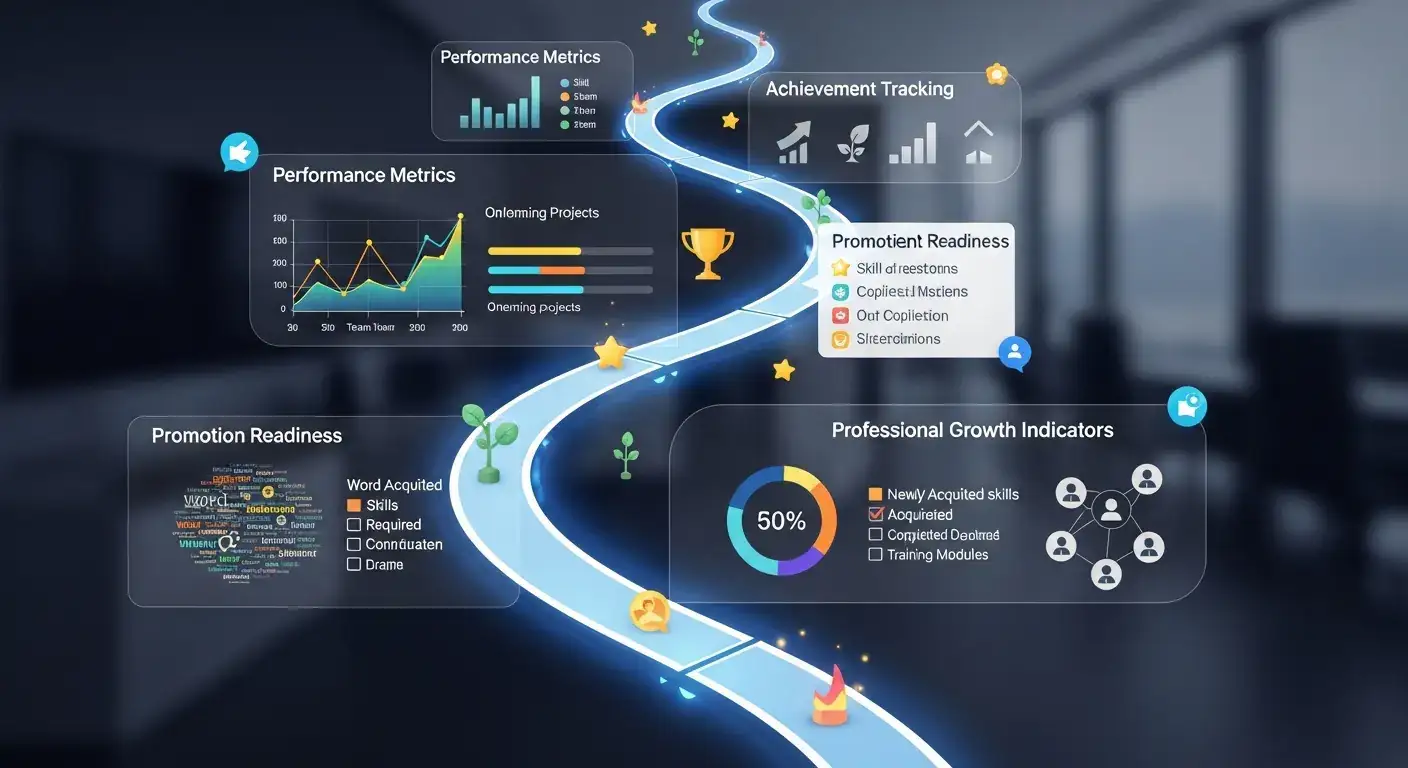
Long-Term Career Success: Proven Development Planning and Growth Strategies
Achieving long-term career success isn't merely about landing a dream job; it's about a continuous journey of learning, adapting, and strategically planning your professional trajectory. In today's rapidly evolving job market, relying solely on past achievements is insufficient. True professional advancement demands proactive career development planning and the implementation of robust growth strategies. This comprehensive guide will explore actionable steps and insights to help you build a resilient and rewarding career path, ensuring you remain relevant, fulfilled, and consistently moving forward. We'll delve into the foundational elements of self-assessment, goal setting, skill enhancement, and the critical role of adaptability in securing your future.
Key Points for Long-Term Career Success:
- Strategic Self-Assessment: Understand your strengths, weaknesses, values, and aspirations.
- Proactive Development Planning: Create a clear roadmap with SMART goals for skill acquisition and professional growth.
- Continuous Learning: Embrace lifelong learning to stay relevant in a dynamic market.
- Networking & Mentorship: Build strong professional relationships and seek guidance.
- Adaptability & Resilience: Cultivate the ability to pivot and thrive amidst change.
Understanding the Pillars of Long-Term Career Success
Building a career that stands the test of time requires more than just hard work; it demands strategic foresight and consistent effort. The foundation of long-term career success rests on a clear understanding of your personal and professional landscape, coupled with a commitment to continuous improvement. Without a solid understanding of where you are and where you want to go, even the most ambitious efforts can fall short.
Self-Assessment: The Foundation of Your Career Development Plan
Before you can chart a course for professional advancement, you must first understand your starting point. A thorough self-assessment involves introspection into your skills, interests, values, and long-term aspirations. This isn't a one-time exercise but an ongoing process that evolves with your experience.
- Identify Core Strengths: What are you naturally good at? What skills have you honed over time? Consider both technical and soft skills.
- Recognize Areas for Development: Where do you need to improve? What new skills would enhance your current role or prepare you for future opportunities?
- Clarify Your Values: What truly matters to you in a workplace and a career? Alignment with your values is crucial for job satisfaction and sustained motivation.
- Explore Passions and Interests: What activities genuinely excite you, even outside of work? These can often point towards fulfilling career paths or projects.
From my experience working with professionals, a common pitfall is neglecting this crucial self-reflection. Many jump into new roles or training without truly understanding if it aligns with their deeper purpose, leading to burnout or dissatisfaction. A recent study by the Career Development Institute (2024) highlighted that individuals who regularly engage in self-assessment are 40% more likely to report high job satisfaction and career progression.
Setting SMART Goals for Professional Advancement
Once you have a clear picture of yourself, the next step in career development planning is to set concrete, actionable goals. The SMART framework (Specific, Measurable, Achievable, Relevant, Time-bound) is an invaluable tool for this.
- Specific: Clearly define what you want to achieve.
- Measurable: How will you track progress and know when you've reached your goal?
- Achievable: Is the goal realistic given your resources and time?
- Relevant: Does the goal align with your overall career aspirations and values?
- Time-bound: Set a deadline to create urgency and accountability.
For example, instead of "I want to get better at leadership," a SMART goal would be: "I will complete an accredited leadership training program by December 2026 to enhance my team management skills and prepare for a senior management role." This level of detail makes the goal tangible and provides a clear path forward.
Crafting an Effective Career Development Plan
A well-structured career development plan acts as your personal roadmap to long-term career success. It translates your self-assessment and SMART goals into a series of actionable steps, ensuring consistent professional advancement. This plan should be a living document, reviewed and updated regularly to reflect new opportunities and challenges.
Identifying Skill Gaps and Enhancement Strategies
The modern workforce demands a dynamic skill set. Identifying current and future skill gaps is paramount for sustainable career growth strategies. This involves looking at industry trends, desired future roles, and feedback from peers or mentors.
- Analyze Industry Trends: What skills are becoming essential in your field? Are there emerging technologies or methodologies you need to master?
- Seek Feedback: Ask your manager, colleagues, or mentors about areas where you could improve or develop new expertise.
- Prioritize Skill Development: Focus on skills that offer the highest return on investment for your career goals.
Once identified, develop a strategy for skill enhancement. This could include:
- Formal Education: Pursuing certifications, online courses, or advanced degrees.
- On-the-Job Training: Taking on new projects, volunteering for challenging assignments, or shadowing experienced colleagues.
- Self-Study: Reading industry publications, attending webinars, or practicing new tools independently.
A recent LinkedIn Learning report (2025) indicated that professionals who actively engage in upskilling or reskilling are 25% more likely to receive promotions within two years. For deeper insights into effective skill acquisition, readers can explore related articles on continuous learning methodologies.
Mentorship and Networking for Sustainable Career Growth
No one achieves long-term career success in isolation. Building a robust professional network and seeking mentorship are critical growth strategies. These connections provide invaluable insights, opportunities, and support.
- Find a Mentor: A mentor can offer guidance, share experiences, and provide constructive feedback. Look for someone whose career path you admire and who is willing to invest in your development.
- Build Your Network: Attend industry events, join professional organizations, and engage with peers online. Networking isn't just about finding your next job; it's about building relationships that can offer advice, collaboration, and support throughout your career.
- Be a Mentor: As you progress, consider mentoring others. This not only reinforces your own knowledge but also strengthens your leadership skills and expands your influence.
Implementing Proven Growth Strategies for Professional Longevity
Beyond planning, consistent execution of growth strategies is what truly drives long-term career success. This involves embracing a mindset of continuous improvement, adaptability, and strategic visibility.
Continuous Learning and Adaptability in a Dynamic Market
The only constant in today's professional landscape is change. Therefore, continuous learning and adaptability are non-negotiable for professional advancement. This means not just acquiring new skills, but also being able to unlearn outdated practices and pivot when necessary.
- Embrace a Growth Mindset: View challenges as opportunities for learning and development.
- Stay Informed: Regularly read industry news, research emerging trends, and understand market shifts.
- Practice Agility: Be open to new ideas