Integrating Financial Wellness into Your Career Plan: Strategies for Long-Term Professional and Personal Security
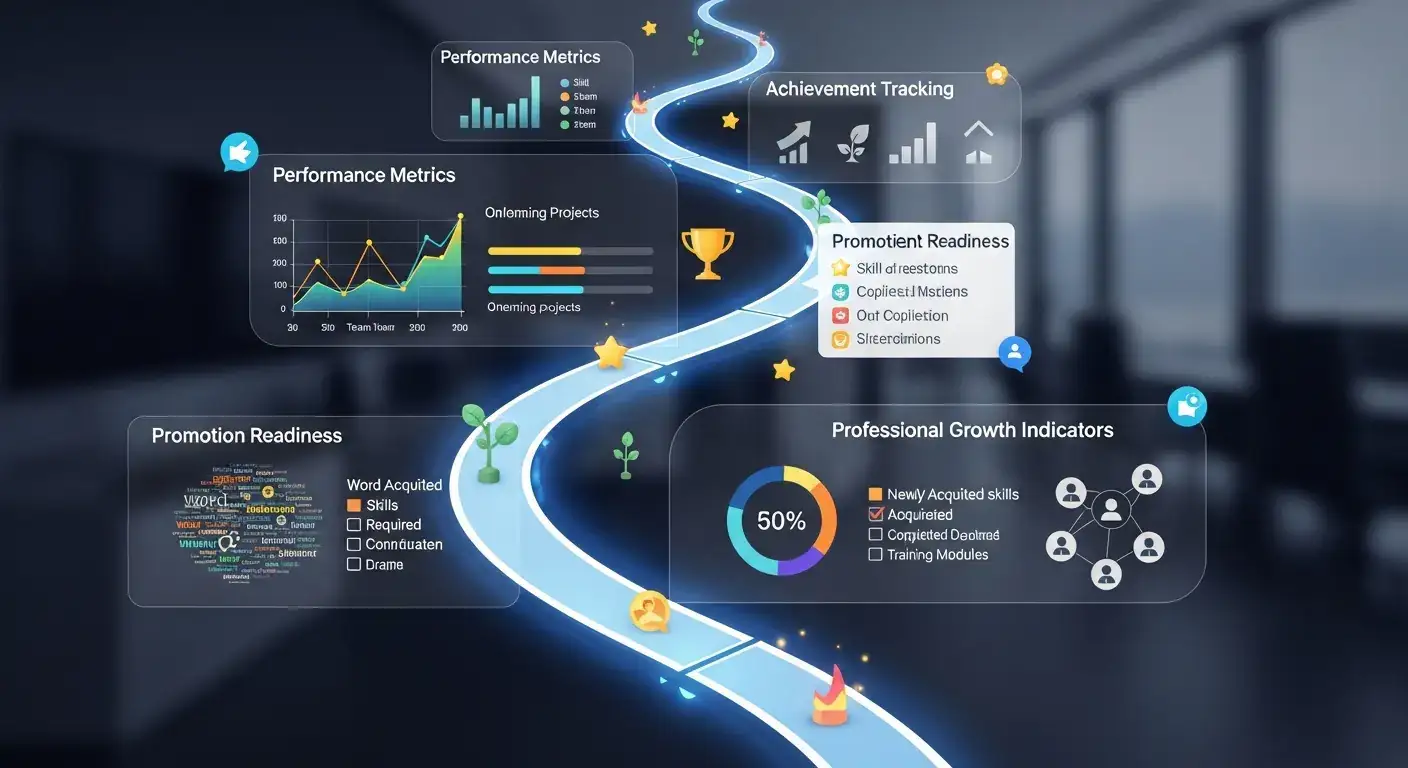
Integrating Financial Wellness into Your Career Plan: Strategies for Long-Term Professional and Personal Security
True career success extends beyond job titles and salaries; it encompasses a holistic approach that integrates financial wellness into your career plan. This isn't just about earning money, but about strategically managing it to build a resilient foundation for your entire professional journey and personal life. In today's dynamic economic landscape, proactive financial planning is no longer an optional add-on but a critical component of continuous learning and adaptability, ensuring stability and empowering career growth. By consciously weaving financial wisdom into every career decision, you create a powerful synergy that enhances both your professional security and personal freedom. This article will explore actionable strategies to achieve precisely that.
Key Points for Financial Wellness Integration
- Proactive Planning: Don't wait; start integrating financial goals from the outset of your career.
- Financial Resilience: Build an emergency fund and manage debt to weather professional uncertainties.
- Strategic Investments: Align investment choices with career trajectory and long-term security.
- Skill Development: Recognize financial literacy as a crucial skill for career adaptability.
- Continuous Review: Regularly assess and adjust your financial and career plans.
Strategic Financial Planning for Career Growth
Integrating financial wellness into your career plan begins with a clear understanding of your current financial standing and future aspirations. This foundational step involves more than just budgeting; it's about aligning your monetary decisions with your professional trajectory. A robust financial strategy empowers you to take calculated risks, invest in skill development, and navigate career transitions with greater confidence. Ultimately, it ensures that your career growth is supported by a stable financial backbone.
Understanding Your Financial Baseline and Career Goals
Before you can build, you must assess. Start by creating a detailed overview of your current income, expenses, assets, and liabilities. This personal financial audit provides a realistic picture of where you stand. Concurrently, define your short-term (1-3 years) and long-term (5+ years) career goals. Do you aspire to a promotion, a career change, entrepreneurship, or early retirement? Aligning your financial objectives with these professional ambitions is paramount. For example, a desire to launch a startup might necessitate aggressive savings and investment in growth stocks.
Building Financial Resilience: Your Emergency Fund and Debt Management
One of the most critical aspects of integrating financial wellness into your career plan is establishing financial resilience. An emergency fund, typically 3-6 months of living expenses, provides a safety net during unexpected job loss, medical emergencies, or periods of career transition. This buffer is essential for reducing stress and preventing hasty career decisions driven by immediate financial pressure. Simultaneously, aggressively managing and reducing high-interest debt, such as credit card balances, frees up income that can be better used for savings, investments, or continuous learning opportunities. According to a 2024 report by PwC, employees with higher financial stress are significantly less engaged and productive at work, highlighting the direct link between personal finance and professional output.
Investing in Your Future: Beyond Retirement Accounts
While retirement accounts like 401(k)s and IRAs are crucial, investing in your financial security extends far beyond these. A diversified investment portfolio tailored to your risk tolerance and career stage can accelerate wealth accumulation. This includes considering real estate, brokerage accounts, or even alternative investments. The key is to understand how these investments contribute to your long-term goals and provide the capital needed for significant life and career milestones.
Prioritizing Skill Development and Lifelong Learning
In an era of rapid technological change, continuous learning and skill development are non-negotiable for career longevity. Financially, this means allocating resources for education, certifications, workshops, or even degrees. Think of it as an investment in your most valuable asset: yourself. This isn't merely an expense; it's a strategic allocation that enhances your marketability, increases earning potential, and provides greater career optionality. Data from Deloitte's 2025 Future of Work report suggests that financial literacy is becoming a critical soft skill, empowering professionals to navigate uncertain economic landscapes. Investing in these skills improves your overall career resilience.
For example, dedicating funds to learn data analytics or AI tools could open doors to new roles or industries, effectively future-proofing your career. This proactive approach to upskilling for the future is a testament to how financial wellness directly fuels professional growth.
- Budget for Learning: Allocate a specific portion of your income to professional development.
- Evaluate ROI: Choose courses or certifications that offer a strong return on investment for your career path.
- Leverage Employer Benefits: Maximize tuition reimbursement or training programs offered by your company.
Navigating Career Transitions with Financial Foresight
Career transitions, whether voluntary or involuntary, are a normal part of professional life. Integrating financial wellness into your career plan equips you to handle these shifts gracefully. Having a solid financial foundation allows you to explore new opportunities, take sabbatical breaks for personal growth, or even weather periods of unemployment without severe disruption. This proactive financial foresight is a hallmark of successful professionals.
The Role of Passive Income and Diversified Revenue Streams
Relying solely on a single income source can be precarious. Developing passive income streams—such as rental properties, dividend stocks, or even royalties from a side project—provides an additional layer of financial security. This diversification reduces your dependence on a single employer and offers greater freedom to pursue passion projects or mastering career transitions. For instance, a side consulting gig could evolve into a full-time venture, funded by your initial passive income. A recent study by Fidelity (2023) on retirement savings habits indicated that individuals who integrate long-term financial goals early in their career planning achieve significantly better outcomes, often through diversified income.
Integrating Financial Wellness: Practical Steps for Every Professional
No matter your career stage, there are actionable steps you can take to foster financial well-being. These strategies are designed to be adaptable, ensuring that your financial plan evolves alongside your professional journey.
Regular Review and Adjustment of Your Financial and Career Plans
Financial wellness is not a one-time setup; it requires continuous monitoring and adjustment. At least once a year, revisit your budget, investment portfolio, and career goals. Are you still on track? Have your priorities shifted? Market conditions change, and so do personal circumstances. Regular reviews ensure your financial plan remains aligned with your career aspirations and life goals, providing long-term professional and personal security.
- Annual Financial Check-up: Review net worth, budget adherence, and investment performance.
- Career Trajectory Assessment: Evaluate progress towards professional goals and identify new opportunities.
- Adapt and Adjust: Modify your financial strategies to reflect any changes in career path or market conditions.
Seeking Professional Financial Guidance
While self-education is valuable, consulting a certified financial planner (CFP) can provide personalized strategies tailored to your unique situation. A CFP can offer expert advice on complex investment decisions, retirement planning, tax optimization, and estate planning, ensuring your financial plan is robust and comprehensive. This professional input is particularly useful during significant career changes or when considering major financial commitments.
FAQ Section
Q: How can I start integrating financial wellness if I'm early in my career with limited income? A: Begin with the basics: create a budget, track your spending, and prioritize saving a small percentage of every paycheck, even if it's minimal. Focus on building an emergency fund first. Simultaneously, invest in affordable professional development that can increase your earning potential, such as online courses or industry certifications. Small, consistent steps early on build powerful habits.
Q: What are the most impactful financial habits for long-term career stability? A: The most impactful habits include consistently saving a portion of your income, avoiding high-interest debt, living below your means, and investing regularly in a diversified portfolio. Equally important is continuously educating yourself about personal finance and adapting your strategies as your career and life circumstances evolve. These habits create a robust financial foundation.
Q: How does financial wellness directly influence career adaptability? A: Financial wellness provides the freedom and security to adapt to change. With an emergency fund and minimal debt, you can afford to take risks like switching industries, pursuing further education, or even taking a pay cut for a more fulfilling role. It reduces the pressure to stay in an unfulfilling job solely for the income, empowering you to make strategic career moves.
Q: Is it ever too late to start integrating financial wellness into my career plan? A: It is never too late. While starting early offers significant advantages, any point in your career is a good time to begin. The strategies may shift—perhaps focusing more on catch-up contributions to retirement accounts or more aggressive debt reduction—but the core principles of budgeting, saving, investing, and continuous financial education remain vital for enhancing your professional and personal security.
Conclusion: Empowering Your Career with Financial Foresight
Integrating financial wellness into your career plan is not just a financial exercise; it's a fundamental strategy for building a secure, adaptable, and fulfilling professional life. By proactively managing your money, building resilience, investing in yourself, and planning for transitions, you empower yourself to navigate the complexities of the modern workforce with confidence. This holistic approach ensures that your hard work translates into both professional success and genuine personal security.
Take the first step today: assess your finances, set clear goals, and commit to continuous learning—both professionally and financially. Share your thoughts in the comments below, or subscribe for more insights on career growth and personal development!
Extended Reading Suggestions:
- Explore strategies for mastering career transitions gracefully and effectively.
- Learn more about upskilling for the future and investing in yourself for lasting career resilience.
- Discover effective strategies for balancing your professional goals with ongoing personal finance management.