Implementing Strategic Career Goals: A Guide to Sustainable Professional Achievement
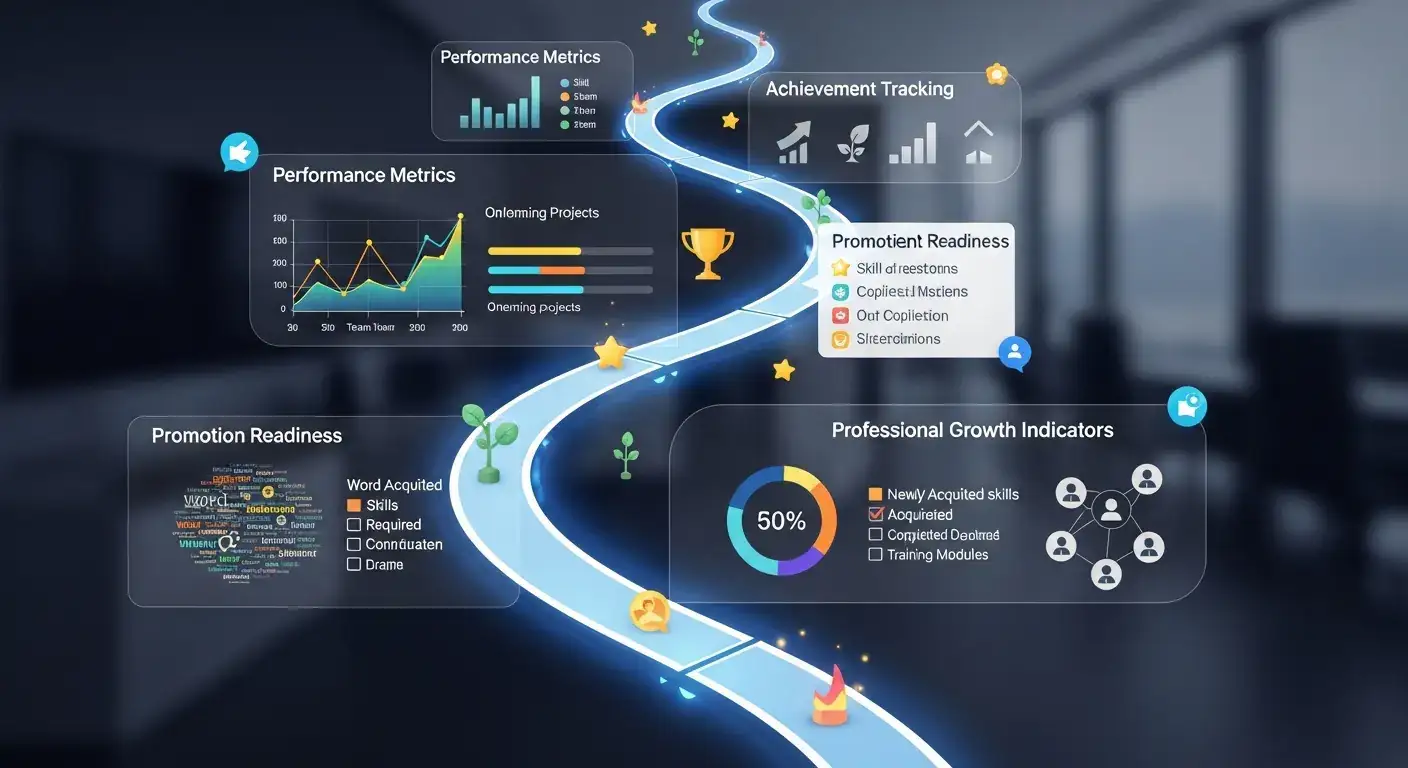
Implementing Strategic Career Goals: A Guide to Sustainable Professional Achievement
Many professionals aspire to growth, but true, sustainable achievement comes from implementing strategic career goals. This isn't just about setting vague aspirations; it's about crafting a deliberate roadmap that navigates the complexities of the modern workforce while fostering continuous personal and professional development. By strategically planning and executing your career objectives, you can build a resilient and fulfilling professional journey, ensuring your efforts lead to lasting impact rather than fleeting success. This guide will help you develop the framework necessary for long-term career success.
Key Points:
- Clarity is Crucial: Define specific, measurable career goals.
- Continuous Planning: Your career roadmap is a living document, requiring regular review.
- Adaptability Wins: Embrace flexibility to pivot as industry landscapes evolve.
- Skill Development: Actively address skill gaps to support your ambitions.
- Long-Term Vision: Focus on sustainable achievement, not just immediate gains.
Defining Your Strategic Career Goals with Clarity
The foundation of implementing strategic career goals begins with crystal-clear definition. Vague ambitions like "I want to be successful" lack the direction needed for effective action. Instead, focus on creating SMART goals: Specific, Measurable, Achievable, Relevant, and Time-bound. This methodology provides a robust framework for translating broad desires into concrete objectives that drive your career forward.
Consider your long-term vision. What does "sustainable professional achievement" truly mean for you in five, ten, or even twenty years? This future-oriented perspective helps to align immediate actions with ultimate aspirations. Without a clear endpoint, even the most diligent efforts can feel directionless.
- Specific: What exactly do you want to achieve? Be precise about roles, industries, or contributions.
- Measurable: How will you know when you’ve reached your goal? Define metrics like promotions, project completions, or skill acquisition.
- Achievable: Is the goal realistic given your current resources and trajectory? Push yourself, but set attainable milestones.
- Relevant: Does this goal align with your values and overall career path? Ensure it contributes meaningfully to your professional development.
- Time-bound: What is your deadline? Setting a timeline creates urgency and helps with prioritization.
Crafting a Sustainable Professional Achievement Roadmap
Once your strategic career goals are clearly defined, the next step is to design a detailed roadmap for their achievement. This roadmap breaks down your overarching objectives into smaller, manageable milestones. This approach makes the journey less daunting and allows for regular progress tracking. A well-structured plan is essential for implementing strategic career goals effectively.
Your roadmap should not be a rigid document, but rather a flexible blueprint that can adapt to changing circumstances. Think of it as a living document that you revisit and refine periodically. This iterative process is key to sustainable professional achievement in a dynamic world.
Identifying Core Skills and Addressing Gaps
A critical component of any career roadmap is a thorough skills gap analysis. What competencies do you currently possess, and what additional skills will you need to reach your strategic goals? This assessment helps you prioritize learning and development initiatives. For example, if your goal is to become a data scientist, you'll need to develop expertise in areas like Python, machine learning, and statistical modeling.
"According to a 2024 report by McKinsey & Company on workforce transformation, continuous upskilling and reskilling are no longer optional but essential for career longevity, with professionals needing to acquire new skills every 3-5 years to remain competitive." This highlights the importance of proactively addressing skill deficits rather than waiting for them to become barriers. Developing a future-proof skillset is paramount. You can find more insights into this process by exploring relevant resources on /categories/skills-gap-analysis-and-development.
Adapting Your Career Growth Plan in a Dynamic Landscape
The professional world is constantly evolving, driven by technological advancements, economic shifts, and new societal demands. Therefore, implementing strategic career goals requires a high degree of adaptability. Your initial roadmap might need adjustments, and that's not a sign of failure, but rather a reflection of a responsive and resilient approach.
- Embrace Agile Goal Setting: Unlike traditional, rigid goal-setting methods, an agile approach encourages frequent review and adaptation. Set shorter-term sprints towards your larger goals, allowing you to learn and adjust course quickly. This proactive pivoting ensures your objectives remain relevant.
- Stay Informed on Industry Trends: Regularly research and understand shifts in your field. Are new technologies emerging? Are certain skills becoming obsolete or highly sought after? "A recent 2025 industry outlook from Deloitte emphasized that staying abreast of emerging technologies like AI and automation is crucial for professionals across all sectors to ensure their skills remain relevant and in-demand." This ongoing awareness helps you anticipate changes and proactively adjust your career growth plan.
Consider leveraging internal resources for career development, such as mentorship programs or specialized training. These opportunities can provide invaluable guidance and practical skills, supporting your long-term career success. Moreover, actively cultivating your personal brand can open doors to unforeseen opportunities. Learn more about it by visiting /articles/mastering-personal-branding-for-career-advancement.
Building Resilience and Overcoming Obstacles
The path to sustainable professional achievement is rarely linear. You will inevitably encounter obstacles, setbacks, and moments of self-doubt. Building resilience is crucial for navigating these challenges and staying committed to implementing strategic career goals. This involves developing a growth mindset, viewing failures as learning opportunities, and maintaining a positive outlook.
- Seek Feedback and Mentorship: Constructive feedback is a gift that helps you identify blind spots and refine your approach. A mentor can offer invaluable guidance, share their experiences, and provide encouragement during challenging times.
- Practice Self-Compassion: Be kind to yourself when things don't go as planned. Resilience isn't about never failing; it's about how you recover and learn from those experiences. "Research published in the Harvard Business Review in early 2023 highlighted the importance of self-compassion as a critical factor in fostering resilience and sustained high performance in the workplace."
Remember, successful long-term career success is a marathon, not a sprint. Celebrate small victories, learn from setbacks, and maintain a steady focus on your ultimate vision. This consistent effort will lead to impactful and lasting results. You might want to consider /articles/developing-a-future-proof-skillset to ensure your skills are always aligned with your goals.
Frequently Asked Questions (FAQ)
Q: What are strategic career goals, and how do they differ from regular goals? A: Strategic career goals are long-term, well-defined objectives that align with your overarching professional vision and personal values. Unlike regular, shorter-term goals, strategic goals require detailed planning, continuous skill development, and an adaptable approach to achieve sustainable professional achievement over many years. They focus on where you want to be in the distant future and the significant steps required to get there.
Q: How often should I review and update my career goals? A: While your core strategic career goals might remain consistent for several years, it's advisable to review your progress and the relevance of your immediate action plan at least annually. Quarterly check-ins can also be beneficial for tactical adjustments. This regular review process ensures your goals remain aligned with both your aspirations and the evolving professional landscape, allowing for necessary pivots and refinements.
Q: What if my career goals change unexpectedly? A: It's perfectly normal for career goals to evolve as you gain new experiences, learn new skills, or discover new passions. The key to implementing strategic career goals successfully is flexibility. If your goals shift significantly, conduct a new self-assessment, redefine your updated objectives using the SMART framework, and recalibrate your roadmap. This adaptability is a sign of a robust and self-aware professional journey.
Q: How do I overcome common obstacles in achieving career goals? A: Overcoming obstacles often involves a combination of resilience, proactive problem-solving, and seeking support. Common hurdles include skill gaps, lack of opportunities, or self-doubt. Address skill gaps through continuous learning, network actively to uncover opportunities, and cultivate a growth mindset to combat self-doubt. Seeking mentorship and celebrating small wins can also significantly boost motivation and help maintain momentum.
Charting Your Course for Lasting Success
Implementing strategic career goals is perhaps the most significant investment you can make in your professional future. It transforms vague hopes into actionable plans, providing a clear trajectory towards sustainable professional achievement. By embracing clarity, adaptability, and continuous learning, you not only navigate the complexities of the modern workforce but also thrive within it.
We encourage you to start today. Take the time to define your strategic goals, map out your journey, and commit to the ongoing process of self-improvement. Share your insights in the comments below – what has been your biggest challenge or success in setting and achieving career goals? Subscribe to our newsletter for more expert advice on career development and skill enhancement.
Extended Reading Suggestions:
- The Power of Networking for Career Advancement: Learn how to build meaningful connections.
- Mastering Time Management for Professionals: Strategies to optimize your productivity and focus on key objectives.
- Navigating Career Transitions with Confidence: A guide to successfully pivoting your professional path.
(Please note: This article was published on 2025-11-17. The information provided is based on current industry trends and expert insights up to this date. Regular updates will be provided as new developments emerge in career strategy and professional development.)