Impactful Communication Strategies: Accelerating Your Professional Growth and Influence
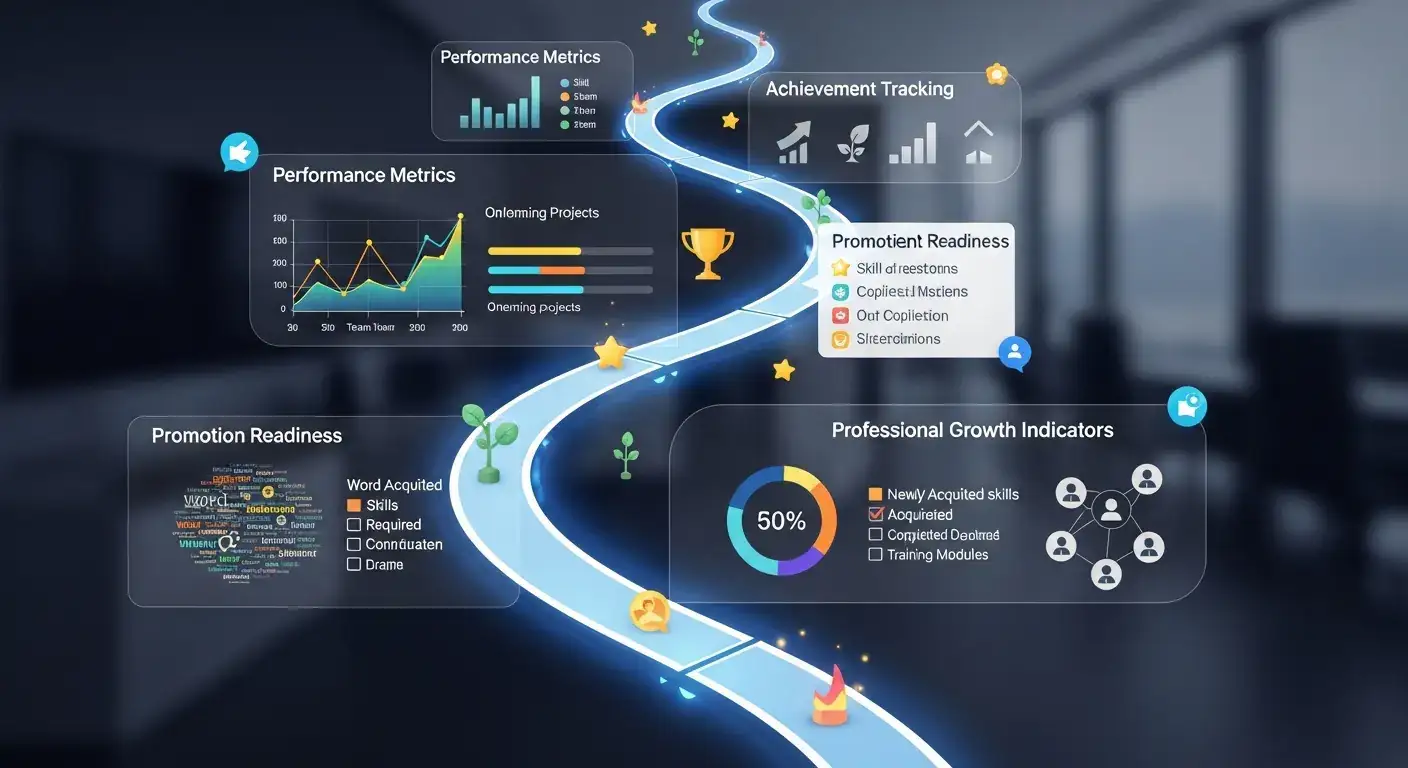
Impactful Communication Strategies: Accelerating Your Professional Growth and Influence
In today's dynamic professional landscape, the ability to communicate effectively is more than just a soft skill; it's a foundational pillar for career advancement and leadership. Mastering impactful communication strategies can significantly accelerate your professional growth and influence, opening doors to new opportunities and stronger relationships. This article delves into the core components of effective communication, offering actionable insights and modern approaches to help you articulate ideas, build rapport, and navigate complex professional interactions with confidence and clarity.
Key Points:
- Active Listening: The cornerstone of genuine understanding and rapport.
- Clarity & Conciseness: Delivering messages with precision and impact.
- Non-Verbal Mastery: Harnessing body language and tone for powerful messaging.
- Empathetic Feedback: Fostering growth through constructive and supportive dialogue.
- Strategic Storytelling: Influencing decisions and inspiring action.
Understanding the Core of Impactful Communication
Effective communication is not merely about speaking or writing well; it's about conveying meaning, fostering understanding, and achieving desired outcomes. At its heart, it's a two-way street that requires both expressing oneself clearly and listening intently to others. Recognizing the nuances of how messages are sent and received is crucial for anyone aiming to enhance their professional presence and accelerate professional growth.
Active Listening: The Foundation of Connection
Active listening is arguably the most critical component of impactful communication. It involves fully concentrating on what is being said, rather than passively hearing the message. This deep engagement demonstrates respect, builds trust, and allows for a more comprehensive understanding of the speaker's perspective. It's about hearing not just the words, but also the intent and emotion behind them.
- Pay Undivided Attention: Eliminate distractions and give the speaker your full focus.
- Show Engagement: Use non-verbal cues like nodding, eye contact, and open posture.
- Reflect and Paraphrase: Summarize what you've heard to confirm understanding. "So, if I understand correctly, you're suggesting..."
- Ask Clarifying Questions: Seek further detail to avoid assumptions and ensure accuracy.
Clarity and Conciseness: Respecting Attention Spans
In a world bombarded with information, the ability to communicate clearly and concisely is a superpower. Whether in emails, presentations, or meetings, getting straight to the point while retaining essential information shows respect for others' time and ensures your message is absorbed effectively. Vague language and excessive jargon can dilute your message and diminish your professional influence.
- Know Your Objective: Before you communicate, be clear about what you want to achieve.
- Simplify Language: Use plain English and avoid unnecessarily complex terms.
- Structure Your Message: Organize your thoughts logically, perhaps using bullet points for key information.
- Be Direct: Get to the main idea quickly and avoid preamble.
Advanced Communication Strategies for Professional Growth
Moving beyond the basics, advanced communication strategies empower professionals to navigate complex situations, resolve conflicts, and truly stand out. These techniques often involve a deeper understanding of human psychology and group dynamics.
Non-Verbal Cues: Unspoken Messages
A significant portion of our communication is non-verbal. Body language, facial expressions, gestures, and even tone of voice can convey more than words alone. Mastering non-verbal cues can amplify your message, project confidence, and enhance your professional influence. Conversely, mismatched verbal and non-verbal signals can create confusion or distrust.
- Maintain Eye Contact: Shows engagement and sincerity.
- Adopt Open Posture: Signals receptiveness and confidence.
- Mind Your Gestures: Use purposeful gestures to emphasize points, but avoid fidgeting.
- Control Your Tone: Ensure your voice conveys the intended emotion and authority. For example, a calm, measured tone can defuse tension, while an enthusiastic tone can motivate.
Empathetic Feedback: Building Bridges, Not Walls
Providing and receiving feedback is a cornerstone of professional development. However, feedback, when delivered poorly, can be demotivating or lead to resentment. Employing empathy in your feedback process transforms it into a constructive tool for growth, strengthening relationships rather than straining them. According to a 2024 Harvard Business Review analysis, organizations prioritizing empathetic feedback saw a 15% increase in team morale and a 10% reduction in employee turnover.
- Focus on Behavior, Not Person: "When X happened, the impact was Y," rather than "You always do Z."
- Be Specific and Timely: Provide examples and deliver feedback close to the event.
- Offer Solutions/Suggestions: Help the person understand how they can improve.
- Listen to Their Perspective: Allow the recipient to share their thoughts and feelings.
Differentiated Content: The Power of Asynchronous Communication
A notable trend in modern workplaces, especially with the rise of remote and hybrid models, is the increasing reliance on asynchronous communication. Unlike real-time discussions, asynchronous communication (emails, project management tools, recorded updates) requires a different set of skills to maintain clarity and avoid misunderstandings. This approach prioritizes thoughtful, well-structured messages that stand alone, reducing the need for immediate responses and allowing recipients to engage on their own schedule. Mastering this is a key differentiator for professionals in today's globalized workforce, optimizing work-life integration planning by offering flexibility. For more strategies on balancing career demands and personal well-being, explore our Work-Life Integration Planning resources.
Leveraging Communication for Influence and Career Advancement
Ultimately, impactful communication strategies are about more than just being understood; they're about influencing decisions, building coalitions, and leading change. These skills are directly linked to upward mobility and broader professional recognition.
Strategic Networking and Storytelling
Networking isn't just about collecting business cards; it's about building meaningful connections. Effective communication plays a crucial role here, particularly through the art of storytelling. People remember stories, not just facts. Crafting compelling narratives about your experiences, successes, and vision can resonate deeply and create lasting impressions. This form of effective communication positions you as an engaging and memorable individual.
- Develop Your "Why": Clearly articulate your passion and purpose.
- Share Personal Anecdotes: Illustrate your points with relatable stories.
- Tailor Your Narrative: Adapt your story to fit the audience and context.
- Listen for Opportunities: Identify common ground to share relevant stories.
Navigating Conflict with Grace and Purpose
Conflict is an inevitable part of any professional environment. How you communicate during disagreements can either escalate the situation or lead to productive resolution. Strong communication skills enable you to address issues directly, maintain respect, and find common ground, enhancing your reputation as a problem-solver and a leader. Developing your leadership presence through clear communication is crucial for upward mobility.
- Stay Calm: Emotional responses can hinder clear communication.
- Focus on the Problem, Not the Person: Address the issue at hand objectively.
- Seek Mutual Understanding: Listen to the other party's perspective without interrupting.
- Collaborate on Solutions: Work together to find a mutually agreeable outcome. A recent study published in the Journal of Applied Psychology (2023) highlights that effective conflict resolution skills correlate with a 20% increase in team innovation.
Differentiated Content: Emotional Intelligence in Digital Communication
Another critical differentiator is leveraging emotional intelligence (EI) specifically in digital communication. While in-person interactions offer cues like facial expressions and tone, digital platforms strip away much of this context. High EI in digital communication means anticipating how your words might be interpreted without these cues, choosing precise language, using emojis sparingly but effectively, and understanding the impact of delayed responses. It's about proactively managing tone and clarity in text-based interactions to maintain positive relationships and prevent misunderstandings, a vital skill for accelerating professional growth in our digitally-driven world.
FAQ Section
What are the most common communication mistakes professionals make?
Professionals often err by not actively listening, failing to be clear and concise, and neglecting non-verbal cues. Additionally, delivering feedback without empathy and avoiding conflict resolution are frequent missteps that can hinder professional relationships and progress. Overcoming these common pitfalls is vital for anyone seeking to improve their communication skills and professional influence.
How can communication improve leadership effectiveness?
Effective communication is the bedrock of strong leadership. Leaders who communicate clearly, listen actively, and provide empathetic feedback can inspire trust, motivate teams, and articulate a compelling vision. This fosters a collaborative environment, enables decisive action, and ensures organizational alignment, ultimately enhancing a leader's ability to guide their team to success and drive professional growth.
Is non-verbal communication more important than verbal communication?
While both are crucial, non-verbal communication often carries significant weight, especially in conveying emotions and attitudes. Studies suggest that a large percentage of a message's impact comes from non-verbal cues. When verbal and non-verbal messages conflict, people tend to believe the non-verbal. Therefore, aligning your body language and tone with your words is essential for impactful communication strategies.
How can I practice and improve my communication skills?
Consistent practice is key. Seek opportunities to speak in meetings, offer presentations, and engage in diverse conversations. Ask for feedback on your communication style from trusted colleagues. Consider joining Toastmasters or taking workshops. Recording yourself or practicing active listening in daily interactions can also significantly hone your effective communication abilities.
Conclusion: Your Path to Enhanced Influence
Mastering impactful communication strategies is not a destination but a continuous journey of learning and refinement. By committing to active listening, clarity, empathetic feedback, and an understanding of both verbal and non-verbal cues, you lay a robust foundation for success. These skills are invaluable for accelerating your professional growth and influence, helping you to not only convey your ideas effectively but also to build stronger relationships and lead with greater impact. Embrace these strategies as integral tools in your professional arsenal, and watch as your career trajectory elevates.
Ready to transform your professional interactions? Start by identifying one area of communication you want to improve this week and actively practice it. Share your experiences in the comments below!
Extended Reading Suggestions:
- Communication in Remote Teams: Strategies for maintaining connection and clarity across distances.
- Overcoming Communication Barriers in Diverse Workplaces: Navigating cultural differences and language nuances.
- The Role of AI in Enhancing Communication Skills: Exploring tools and technologies that aid in communication development.