Creating a Dynamic Career Development Plan for Continuous Professional Evolution
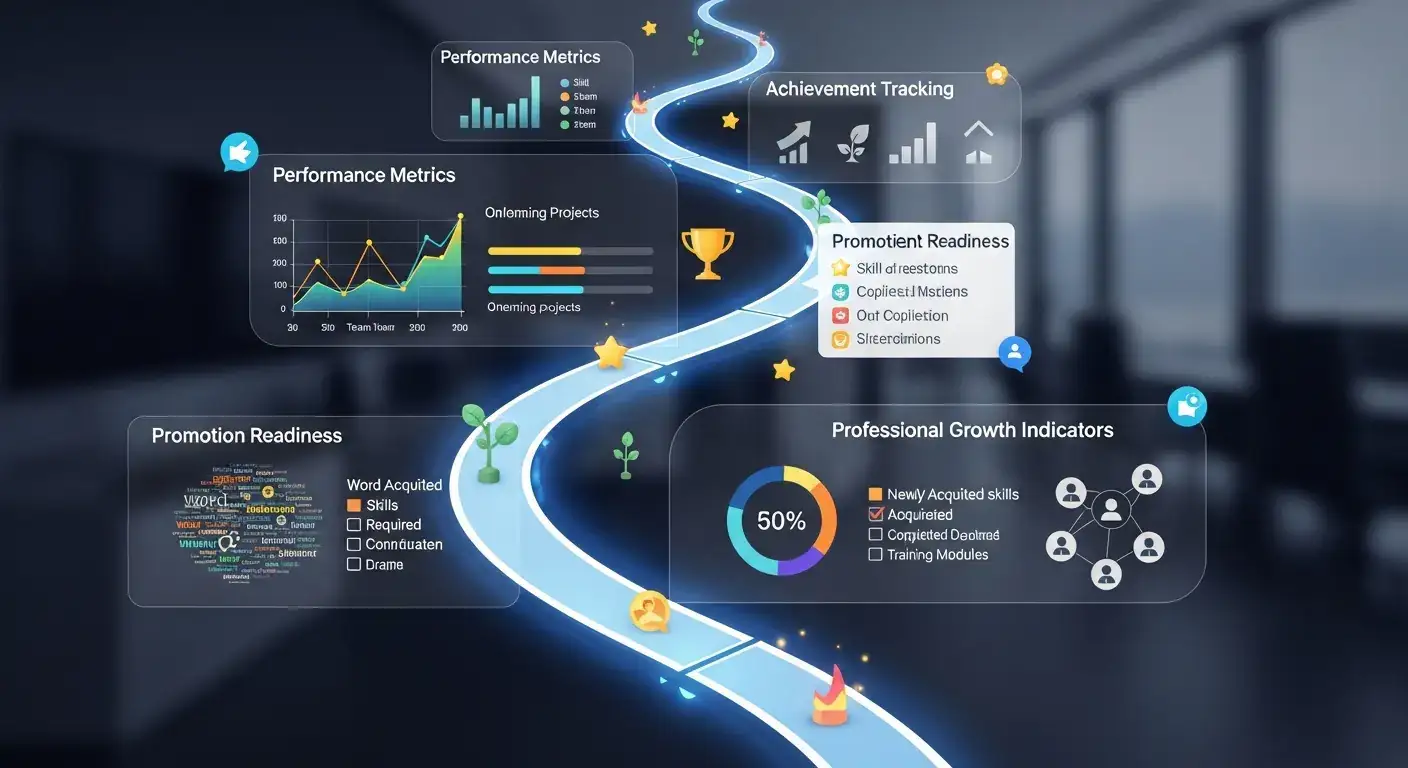
Creating a Dynamic Career Development Plan for Continuous Professional Evolution
In today's rapidly evolving professional landscape, a static career path is a relic of the past. The ability to embrace change, acquire new skills, and proactively shape your trajectory is paramount for long-term success. Creating a dynamic career development plan isn't just a recommendation; it's an essential strategy for continuous professional evolution. This article will guide you through the process of building an adaptable plan that keeps you relevant, engaged, and moving forward in your chosen field, ensuring you're always prepared for what's next. It’s about more than just setting goals; it’s about fostering a mindset of lifelong learning and strategic adaptability.
Key Points for a Dynamic Career Plan:
- Self-Assessment & Vision: Understand your strengths, weaknesses, values, and long-term aspirations.
- Skill Gap Analysis: Identify critical skills needed for future roles and assess your current proficiency.
- Continuous Learning: Prioritize upskilling and reskilling in response to market demands.
- Strategic Networking: Build and nurture professional relationships for mentorship and opportunities.
- Flexibility & Review: Regularly assess and adapt your plan to maintain relevance and pursue new directions.
Understanding the Need for a Dynamic Career Development Plan
The traditional career ladder, where you climbed steadily within one company or industry, has largely been replaced by a more fluid, often non-linear journey. Technological advancements, global economic shifts, and changing workplace demographics demand a proactive approach to career management. A dynamic career development plan helps individuals not only survive but thrive in this environment by fostering adaptability and foresight. It allows you to anticipate industry trends and position yourself strategically.
Think of it as a living document, not a rigid blueprint. It’s about setting flexible goals and continually reassessing your path. This approach ensures your professional growth remains aligned with both your personal aspirations and the evolving demands of the job market. Embracing this dynamic mindset is the first step towards true professional evolution.
Initial Steps: Self-Assessment and Vision Setting
The foundation of any effective dynamic career development plan begins with a thorough understanding of yourself. This initial phase involves introspection and clear vision setting. Without knowing your starting point and desired direction, your plan will lack genuine purpose.
Discovering Your Strengths, Values, and Passions
Start by taking stock of your unique attributes. What are you exceptionally good at? What tasks energize you, even when they are challenging? Reflect on your core values – what truly matters to you in a professional setting? Alignment between your work and values leads to greater job satisfaction and resilience. For example, if innovation is a core value, seek roles that encourage creativity.
- Self-Reflection Prompts:
- What are your top five transferable skills?
- Which accomplishments make you most proud and why?
- What kind of work environment brings out your best?
- What causes or problems are you passionate about solving?
Defining Short-Term and Long-Term Career Goals
Once you understand your internal compass, it's time to set meaningful goals. These should be a mix of short-term (6-12 months) and long-term (3-5 years) objectives. Ensure your goals are SMART: Specific, Measurable, Achievable, Relevant, and Time-bound. A well-defined goal provides a clear target for your continuous professional evolution.
For instance, a short-term goal might be to complete a certification in data analytics, while a long-term goal could be to lead a specific type of project or transition into a management role. These goals act as milestones within your overall dynamic plan.
Strategic Skill Development and Learning Paths
The modern workforce prioritizes continuous learning and adaptation. A truly dynamic career development plan emphasizes proactive skill acquisition to stay competitive and relevant. This is where your plan begins to truly foster professional evolution.
Identifying Key Skills for Future Growth
Market research and industry reports are invaluable here. What skills are employers currently seeking? Which ones are projected to be in high demand in the next 3-5 years? Focus on both technical (hard) skills and interpersonal (soft) skills. According to a 2024 report by the World Economic Forum, critical thinking, analytical skills, and AI/machine learning literacy are among the top skills growing in importance. This highlights the urgency of proactive upskilling.
Consider the impact of emerging technologies like AI and automation on your industry. How might these tools change job roles, and what skills will be necessary to leverage them effectively, rather than be replaced by them?
Crafting a Lifelong Learning Strategy
Once identified, create a concrete plan for acquiring these skills. This might involve formal education, online courses, certifications, workshops, or hands-on projects. Remember that learning is an ongoing process, not a one-time event. Dedicate specific time each week or month to learning and development.
- Learning Strategies:
- Online Platforms: Coursera, edX, LinkedIn Learning for structured courses.
- Industry Events: Conferences, webinars, and workshops for networking and trend insights.
- Mentorship: Seeking guidance from experienced professionals can accelerate learning. (For more on this, explore our article on [/articles/the-power-of-mentorship-in-career-growth](The Power of Mentorship in Career Growth)).
- Practical Application: Apply new skills immediately through side projects or volunteer work.
Building Your Professional Network and Relationships
Networking is a cornerstone of professional success and a crucial element of any dynamic career development plan. It’s not just about finding your next job; it’s about building a support system, gaining insights, and discovering unforeseen opportunities for professional evolution.
The Power of Mentorship and Sponsorship
Mentors provide guidance, share experiences, and offer constructive feedback. Sponsors, on the other hand, actively advocate for your advancement within an organization or industry. Both are invaluable for navigating career complexities and opening doors. Seek out individuals who embody the traits or hold the positions you aspire to.
Consider joining professional organizations related to your field. These groups often facilitate mentorship programs and provide platforms for meaningful connections.
Strategic Networking for Opportunities and Insights
Networking should be strategic and continuous. Attend industry events, participate in online forums, and leverage platforms like LinkedIn. Focus on building genuine relationships, not just collecting contacts. Ask thoughtful questions, offer help where you can, and always follow up. This consistent effort builds a robust professional ecosystem.
A strong network provides early access to industry trends, job openings, and partnership opportunities. It allows you to gather diverse perspectives, which is vital for maintaining a truly dynamic career development plan. (Learn more about effective strategies at [/articles/strategic-networking-for-professional-advancement](Strategic Networking for Professional Advancement)).
Adapting and Future-Proofing Your Career
The "dynamic" aspect of your career development plan comes from its ability to evolve. The professional landscape is constantly shifting, and your plan must shift with it. This continuous adaptation is key to continuous professional evolution.
Regular Review and Adjustment of Your Plan
Schedule regular check-ins (e.g., quarterly or semi-annually) to review your progress against your goals. Are your short-term objectives being met? Do your long-term aspirations still resonate with your values and current market realities? Be honest in your assessment. If certain goals no longer serve your vision, don't hesitate to revise or replace them. Flexibility is your greatest asset here.
This iterative process ensures your plan remains relevant and continues to propel you forward. It prevents stagnation and encourages proactive adjustments rather than reactive ones.
Embracing Agility and Resilience in Your Career Path
The future of work demands agility. This means being open to new technologies, different roles, and even career pivots. Resilience allows you to bounce back from setbacks and learn from failures, seeing them as opportunities for growth. Data from Deloitte's 2023 Global Human Capital Trends report emphasizes that organizations and individuals alike must cultivate a culture of adaptability to navigate ongoing disruption. This reinforces the critical need for an agile mindset.
Develop a growth mindset, viewing challenges as learning opportunities. Cultivate skills like problem-solving, critical thinking, and creativity, which are universally valued and less susceptible to automation. By building these qualities into your approach, you inherently future-proof your career development.
Differentiated Insights for Modern Professionals
Beyond traditional advice, modern career planning requires an understanding of nuanced shifts.
Leveraging AI and Automation for Personalized Growth
Instead of fearing AI, integrate it into your career development. Use AI tools for personalized learning recommendations, resume optimization, and even to identify emerging skill gaps in your industry. AI-powered platforms can curate content specific to your goals, making your learning more efficient. For example, platforms like Coursera and Degreed are increasingly using AI to tailor learning paths based on user skills and career aspirations, a trend highlighted in a 2025 article on workforce development by "Future of Work Quarterly." This is a significant shift, offering unprecedented personalization in professional evolution.
The Rise of "Portfolio Careers" and Cross-Functional Expertise
The concept of a single, linear career is diminishing. Many professionals are now building "portfolio careers" – combining multiple roles, projects, or gigs that leverage diverse skill sets. This approach not only diversifies income streams but also accelerates skill development across different domains. Cultivate cross-functional expertise, becoming proficient in areas that bridge traditional departmental silos. For instance, a marketing professional who also understands data analytics and basic coding becomes incredibly versatile and valuable. This multi-faceted approach offers robust resilience and broadens opportunity horizons.
Frequently Asked Questions (FAQ)
Q: How often should I update my dynamic career development plan?
A: You should formally review and update your plan at least twice a year, such as quarterly or bi-annually. However, smaller adjustments and reflections should be ongoing. The job market and your personal aspirations can change rapidly, so regular check-ins ensure your plan remains relevant and effective for continuous professional evolution. Consider it a living document that needs constant nurturing.
Q: Is a dynamic plan suitable for entry-level professionals?
A: Absolutely. A dynamic plan is perhaps even more crucial for entry-level professionals. It provides a flexible framework for exploring different roles, identifying passions, and acquiring foundational skills that will serve as building blocks for a long and adaptable career. It encourages early adoption of a growth mindset, setting the stage for future professional evolution rather than rigid adherence to an initial path.
Q: What if my career goals drastically change?
A: Drastic changes in career goals are a natural part of a dynamic career development plan. The plan's inherent flexibility means it's designed to accommodate such shifts. Revisit your self-assessment, identify new skills needed for your revised direction, and adjust your learning and networking strategies accordingly. This adaptability is precisely what makes the plan dynamic and supports your continuous professional evolution rather than hindering it.
Q: How can networking contribute to a dynamic career plan?
A: Networking is vital for a dynamic plan because it provides access to crucial information and opportunities. Through your network, you can learn about emerging industry trends, identify skill gaps, find mentors, and discover unadvertised job openings. These connections offer diverse perspectives and can illuminate potential new career paths or learning opportunities that help your plan remain agile and responsive to change.
Conclusion: Embrace Your Evolutionary Journey
Creating a dynamic career development plan is more than just a task; it's a strategic investment in your future. By embracing continuous learning, fostering adaptability, and leveraging your professional network, you empower yourself to navigate the ever-changing world of work with confidence and purpose. Remember, your career is a journey of continuous professional evolution, not a fixed destination.
Take the first step today: conduct your self-assessment, set your initial SMART goals, and identify one key skill you want to develop. Share your thoughts in the comments below – what's one immediate change you'll make to your career plan? For further reading on related topics, explore our comprehensive category on [/categories/professional-networking-and-relationships](Professional Networking and Relationships). Subscribe to our newsletter for more insights and strategies on fostering your ongoing professional growth.